
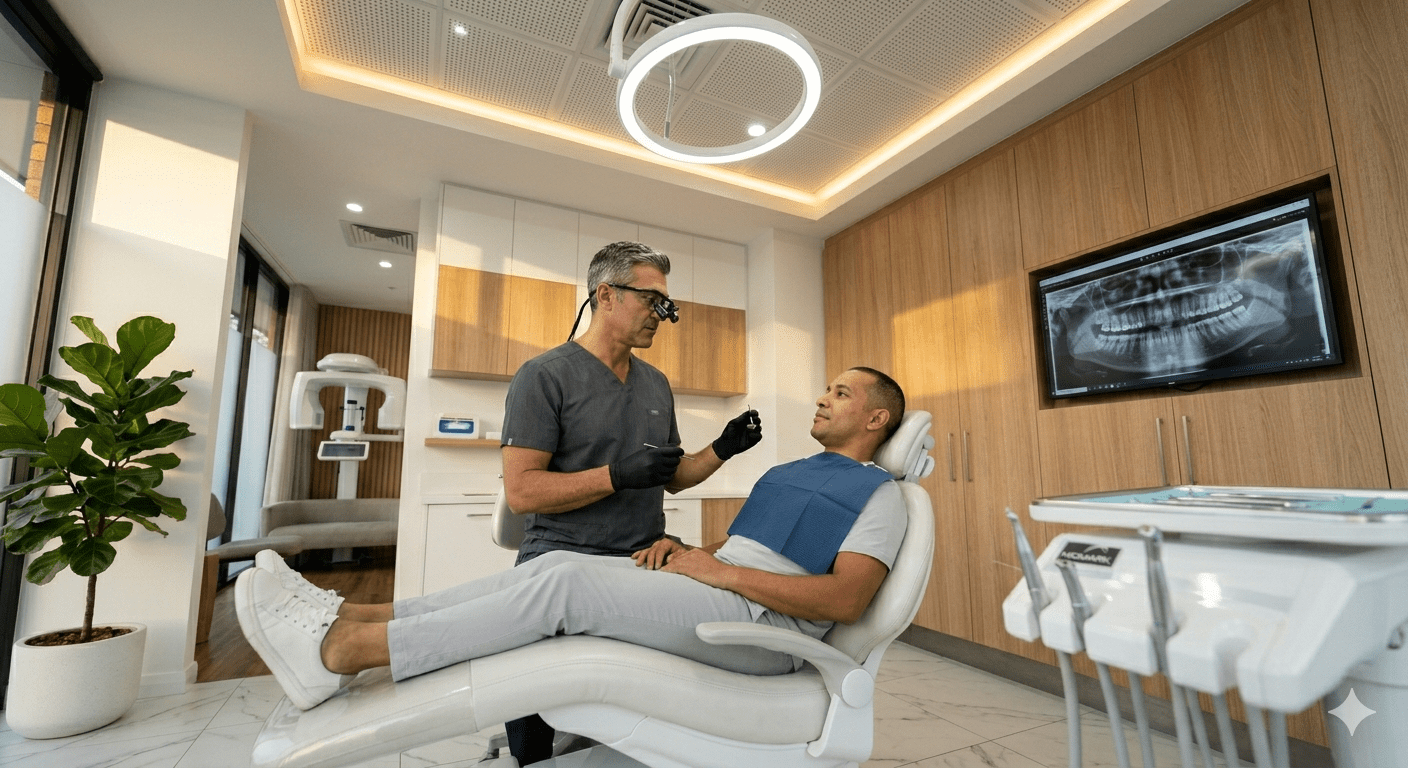
For those in Stuart, FL looking to brighten their smile, teeth whitening options range from professional treatments to at-home kits. The most effective and safest way to whiten teeth is through professional services offered by local dental experts who customize care based on individual needs.
Many people find over-the-counter products tempting, but these can vary in strength and may not address deeper discoloration. Stuart’s dental offices often provide both in-office and take-home whitening solutions, ensuring comfort and noticeable results without damaging the enamel.
Understanding the differences between whitening methods helps patients choose what fits their lifestyle and budget. Consulting a dental professional can provide a clear path to a brighter, healthier smile with the care and attention they deserve.
Understanding Teeth Discoloration
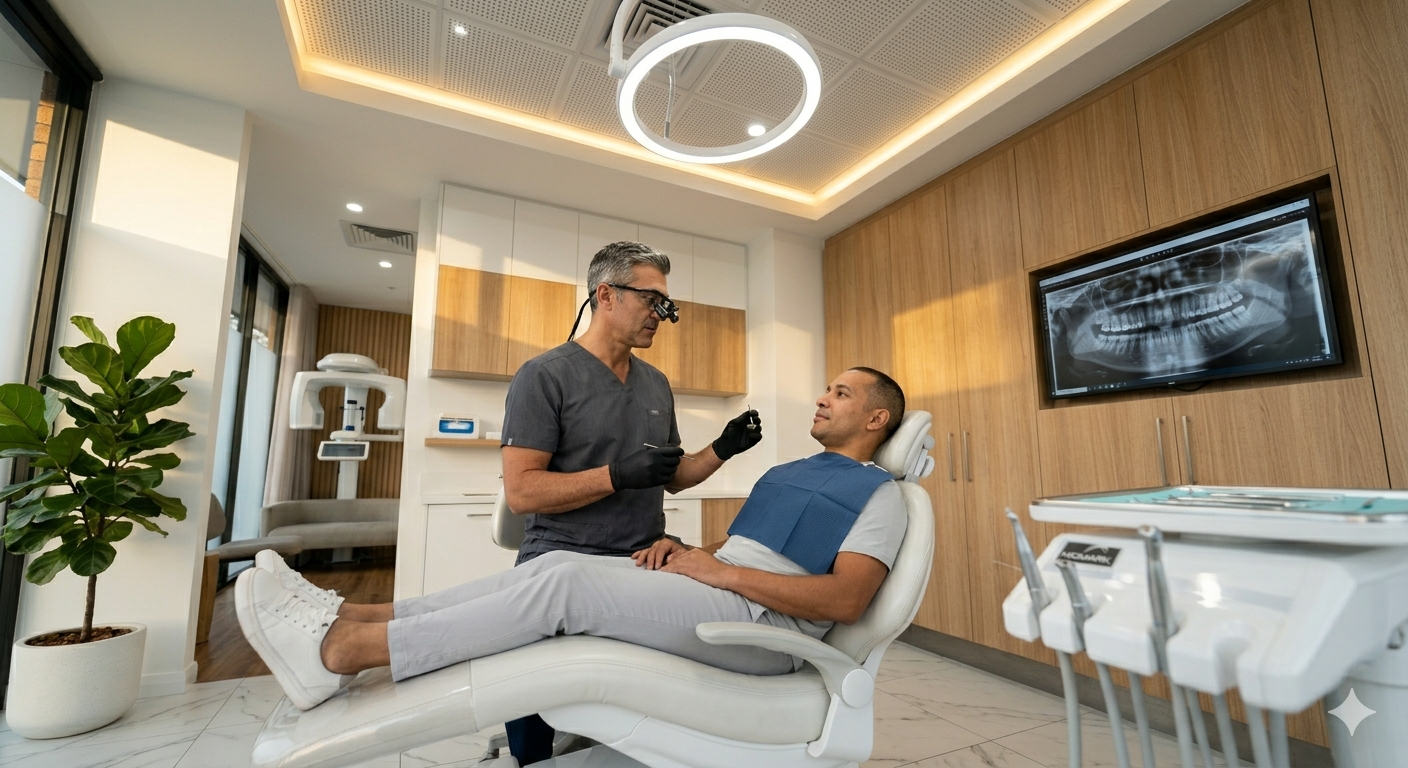
Teeth can change color for many different reasons, ranging from the foods we eat to natural aging. Understanding what causes discoloration helps in choosing the right whitening method and maintaining a bright smile.
Common Causes of Tooth Stains
Teeth stains fall into two main categories: extrinsic and intrinsic. Extrinsic stains develop on the tooth surface and often result from consuming coffee, tea, red wine, or tobacco products. These substances leave pigmented residues that cling to the enamel.
Intrinsic stains are deeper, occurring inside the tooth. They may stem from factors like excessive fluoride exposure during childhood or certain medications such as tetracycline. Trauma to a tooth can also cause internal discoloration by damaging the pulp.
Poor dental hygiene can accelerate stains by allowing plaque buildup, which creates a rough surface that holds discoloration. Regular cleaning and avoiding known culprits reduce many external stains.
Types of Discoloration
Discoloration varies dramatically by cause and location on the tooth. Extrinsic discoloration appears as surface spots or layers and can often be removed with professional cleaning or whitening treatments.
Intrinsic discoloration is embedded within the tooth structure, making it stubborn to fix. This type may require special dental procedures like veneers or bonding for cosmetic improvement.
There’s also age-related discoloration, where enamel thins over time, revealing more of the yellow dentin beneath. It’s a natural process but can be lightened through whitening.
Table: Color Types and Treatment Options
| Discoloration Type | Location | Typical Cause | Treatment |
|---|---|---|---|
| Extrinsic | Outer tooth layer | Food, drinks, tobacco | Cleaning, whitening kits |
| Intrinsic | Inside tooth | Medication, trauma | Veneers, bonding, whitening |
| Age-related | Enamel thinning | Natural aging | Whitening, veneers |
How Everyday Habits Affect Tooth Color
Daily habits have a big impact on tooth color. Drinking coffee or tea daily can stain enamel quickly due to tannins. Smoking deposits tar and nicotine, which cause stubborn yellow or brown stains on teeth.
Acidic foods and drinks, like citrus or soda, don’t directly stain but erode enamel. This thinning exposes dentin, which looks more yellow. Brushing right after consuming acids may worsen erosion, so waiting 30 minutes is advised.
Using whitening toothpaste helps maintain brightness but often can’t remove deeper stains alone. Regular visits to the dentist for professional cleaning are essential to manage habit-related stains before they become more difficult to treat.
Professional Whitening Treatments
Professional teeth whitening offers several options tailored to different needs and schedules. These treatments use stronger whitening agents than over-the-counter products and are supervised by dental experts to ensure safe, effective results.
In-Office Whitening Procedures
In-office whitening is a fast way to brighten teeth, often completed in one visit. The dentist applies a high-concentration bleaching gel, which is sometimes activated by a special light or laser. This method can lift stains caused by coffee, tobacco, or aging more effectively than home products.
The process usually takes about 60 to 90 minutes. Patients may notice immediate results, with teeth becoming several shades whiter. Dentists also protect gums and soft tissue during treatment to prevent discomfort.
Custom Take-Home Trays
Custom take-home trays offer convenience for whitening at your own pace. The dentist creates molds of your teeth to make trays that fit snugly. Patients fill these trays with a professional-grade bleaching gel provided by the dentist.
Wearing the trays as instructed—typically a few hours a day or overnight—gradually whitens teeth over one to two weeks. This method balances effectiveness with flexibility and allows adjustments if sensitivity occurs.
Safety and Effectiveness of Professional Options
Professional whitening is generally safe when performed under dental supervision. Dentists tailor treatments to avoid excess sensitivity and ensure even color results. Before starting, patients usually have an exam to check for cavities or gum issues.
Using approved bleaching agents with professional dosing protects enamel integrity. Post-treatment care advice helps maintain results and reduces future staining. Those with dental restorations may need special consideration, as whitening gels don’t change the color of crowns or fillings.
At-Home Whitening Solutions
Several affordable and convenient options exist for whitening teeth at home. These include kits designed for self-use, specialized toothpastes and strips, as well as potential risks tied to do-it-yourself methods.
Over-the-Counter Whitening Kits
Over-the-counter (OTC) whitening kits typically contain bleaching gels with peroxide, which lighten stains on the teeth. Many kits feature custom trays or pre-filled trays that help apply the gel evenly. Users usually wear the trays for 30 minutes to an hour daily over one to two weeks.
These kits can provide noticeable improvements but tend to be less potent than professional treatments. Results vary depending on stain type and severity. It’s important to follow the product’s instructions carefully to avoid gum irritation or tooth sensitivity.
Whitening Toothpastes and Strips
Whitening toothpastes focus on removing surface stains using mild abrasives combined with chemical agents, but they do not change the natural color of teeth. Tooth whitening strips, on the other hand, contain peroxide gels applied directly to the teeth and offer deeper stain removal than toothpaste.
Strips are generally worn once or twice daily for about 14 days. They are convenient and can brighten teeth by a shade or two but may cause temporary sensitivity or gum discomfort in some users.
Risks of DIY Approaches
DIY whitening methods, including some home remedies, carry risks such as tooth enamel damage and uneven whitening. Overuse of whitening products can increase sensitivity and lead to gum irritation.
Improper use of bleach or acidic substances can erode enamel or cause allergic reactions. It is best to consult a dental professional to determine safe options tailored to individual dental health and staining causes.
Choosing the Right Whitening Option
Selecting a teeth whitening method involves weighing several factors that affect effectiveness, comfort, and long-term results. Understanding personal dental health and preferences helps narrow down choices to what fits best.
Factors to Consider
Whitening options vary in strength, cost, and convenience. In-office treatments offer fast, noticeable results but are usually pricier. Over-the-counter kits provide gradual whitening at a lower cost but may take weeks to show effect.
Another key point is lifestyle. Frequent coffee or tobacco users might need stronger or repeated treatments. Additionally, the degree of staining—surface stains versus deeper discoloration—guides the best approach.
Budget also plays a role; professional treatments often require fewer sessions but have higher upfront costs. Meanwhile, home methods usually need consistent application and patience. Knowing these variables helps patients make informed choices.
Sensitivity and Dental Health
Teeth sensitivity can increase with whitening, especially for people with thin enamel or gum recession. It’s important to assess current oral health before beginning any treatment. Whitening agents can irritate gums or worsen pre-existing conditions.
Those with cavities, cracked teeth, or exposed roots should address these problems first. Using products with lower peroxide concentrations or desensitizing agents can reduce discomfort. Some patients may benefit from shorter whitening sessions spaced out over time.
Regular dental check-ups ensure any whitening method is safe. A professional can tailor treatments to minimize sensitivity while maximizing whitening effects, protecting overall dental wellness.
Consulting with a Local Dentist
Local dentists in Stuart, FL offer personalized advice based on thorough evaluations and dental history. They can recommend the most effective option, whether it’s professional whitening, custom take-home trays, or suitable over-the-counter products.
Consultation also includes discussing lifestyle habits, dental sensitivities, and expectations. Dentists provide clear guidance on preparation, aftercare, and realistic results.
Scheduling a visit allows for a comfortable experience backed by expert care. Patients can ask questions, address concerns, and choose a whitening path suited specifically to their teeth and smiles.
Long-Term Results and Maintenance
Maintaining a bright, white smile after whitening treatments takes a bit of effort and care. Adopting simple daily habits and knowing when to visit the dentist can keep teeth looking their best for longer.
Tips for Preserving a Bright Smile
Brushing twice a day with a whitening toothpaste helps keep surface stains at bay. It’s important to use a soft-bristled toothbrush to protect enamel while cleaning effectively. Flossing daily also removes food particles that can cause discoloration between teeth.
Using a straw for dark beverages like coffee, tea, or soda reduces direct contact with teeth, limiting stains. Avoid smoking or chewing tobacco, as these can quickly reverse whitening results. Applying at-home whitening touch-up kits, recommended by a dentist, can boost your smile without overdoing it.
Drinking plenty of water after meals helps wash away staining agents. Consistency is key — regular oral hygiene coupled with mindful habits extends whitening effects significantly.
Foods and Habits That Help or Harm
Certain foods naturally contribute to teeth whitening or harm. Crunchy fruits and vegetables like apples, carrots, and celery act as gentle abrasives, scrubbing teeth clean as you chew. Dairy products, rich in calcium, help strengthen enamel, supporting long-term whiteness.
On the other hand, dark-colored drinks such as red wine, cola, and black coffee stain teeth because of their strong pigments. Acidic foods like citrus can erode enamel, making teeth more vulnerable to future staining. Highly pigmented berries can leave temporary marks on the enamel surface.
Avoiding or limiting these foods, rinsing with water afterward, or brushing within 30 minutes can reduce damage. Moderation and timing are as essential as food choices themselves.
Scheduling Follow-Up Visits
Regular dental check-ups every six months help monitor the brightness and health of teeth after whitening. Dentists can perform professional cleanings that remove stubborn stains and assess if additional whitening is needed.
Some patients benefit from touch-up treatments during these visits, which ensure the smile stays luminous without causing sensitivity. If teeth become sensitive, a dentist can recommend products or adjust treatment plans.
Early visits also catch any gum irritation or enamel wear related to whitening products. Following a dentist’s schedule promotes both safety and lasting results for a satisfying smile.
What to Expect During Your Whitening Journey
When starting teeth whitening in Stuart, FL, patients typically begin with a consultation. The dentist or hygienist will assess the teeth’s condition and discuss the best whitening options based on sensitivity, budget, and desired results.
During in-office treatments, the process usually takes about one hour. A protective gel or rubber shield is applied to gums, followed by a professional whitening agent on the teeth. Some may feel mild tingling or sensitivity, but it usually fades quickly.
At-home whitening kits often require daily use for one to two weeks. They include trays or strips with bleaching gel. It’s important to follow instructions carefully to avoid irritation or uneven results.
Patients can expect to see noticeable improvements after their first session. Teeth may lighten by several shades, though multiple treatments can enhance the outcome. Maintaining good oral hygiene helps sustain the brighter smile.
| Step | What Happens | Patient Tips |
|---|---|---|
| Consultation | Assessment + treatment plan | Share sensitivity concerns |
| In-office treatment | Whitening gel applied | Relax; mild sensitivity is normal |
| At-home care | Daily use of custom kits | Follow directions closely to avoid irritation |
The whitening journey is comfortable and tailored to individual needs. If any discomfort occurs, the dental team can adjust the approach for better results. Patients are encouraged to ask questions and express any concerns throughout the process.
Why Stuart Residents Choose Local Dental Professionals
Stuart residents often prefer local dental professionals for teeth whitening because of the personalized care they receive. Local dentists know the community well and tailor treatments to fit individual needs, making the process comfortable and effective.
Many local dental offices use the latest whitening technologies, offering options that range from in-office treatments to customized take-home kits. This variety allows patients to choose what fits their lifestyle and budget best.
Convenience is another key factor. Having a trusted dental professional nearby means easy scheduling, quick follow-ups, and support throughout the whitening process. This access helps patients feel confident and cared for every step of the way.
Key benefits Stuart residents appreciate:
- Personalized consultations
- Access to modern whitening methods
- Supportive, friendly staff
- Flexible appointment times
Local dentists also emphasize overall oral health, not just cosmetic results. They keep an eye on sensitive teeth or gum health, ensuring whitening is safe and gentle. This comprehensive approach builds trust and long-term dental wellness.
If you’re considering teeth whitening in Stuart, consulting a local dental professional is a smart first step. They can answer questions and recommend options tailored just for you.
Restore Your Confidence with a Brighter Smile
A brighter smile can make a real difference in how someone feels about themselves. When teeth look clean and white, it often boosts confidence in social and professional settings.
Many people hesitate to smile fully because of stains or discoloration. Professional teeth whitening in Stuart, FL, offers safe, effective solutions tailored to individual needs. Whether it’s a stubborn coffee stain or years of wear, modern treatments can refresh the appearance without discomfort.
Key benefits of professional whitening include:
- Faster, more noticeable results than over-the-counter products
- Customized treatments to protect sensitive teeth
- Guidance on maintaining a bright smile long-term
Some treatments are done entirely in the dental office, while others involve take-home kits monitored by the dentist. Both options focus on comfort and convenience, ensuring a positive experience from start to finish.
Encouraging patients to ask questions and express concerns helps create trust. This open communication leads to treatment plans that suit their lifestyle and goals. After all, a healthy, white smile isn’t just about looks—it’s about feeling good every day.
If someone in Stuart is ready to explore whitening options, scheduling a consultation is the best first step. A dental expert can recommend the safest, most effective path to restore that confident, welcoming smile.
Frequently Asked Questions
Whitening teeth safely and effectively depends on individual needs. Maintaining results requires careful habits. Some situations need tailored approaches to match teeth and restorations.
What are the safest ways to brighten my smile if I have sensitive teeth?
Gentle whitening gels formulated for sensitive teeth help reduce discomfort. Using lower concentration products and shorter application times also protects enamel.
Desensitizing toothpaste before and after treatment can ease sensitivity. Consulting a dental professional ensures the best strategy without causing pain.
How do in-office whitening treatments compare to take-home trays in terms of results and comfort?
In-office treatments generally deliver faster, more noticeable results in one visit. They use stronger bleaching agents under professional supervision.
Take-home trays offer gradual whitening with milder gels, which can be more comfortable for sensitive teeth. They require consistent use over days or weeks for visible change.
How long do whitening results typically last, and what can I do to keep them looking fresh?
Results last about six months to two years depending on lifestyle. Avoiding staining foods and drinks like coffee and red wine extends the brightness.
Maintaining good oral hygiene and occasional touch-ups with dentist-approved products help preserve the whitening effect.
Will whitening work on crowns, veneers, or old fillings, and what are my options if they don’t match?
Whitening products do not change the color of crowns, veneers, or fillings. They only lighten natural tooth enamel.
If mismatched, a dentist can replace restorations or adjust their shade to better blend with whitened teeth. This ensures a uniform smile.
What foods, drinks, or habits should I avoid right after whitening to prevent new stains?
Avoid dark-colored beverages like coffee, tea, and red wine for at least 48 hours after whitening. Smoking and eating highly pigmented foods like berries or tomato sauce can cause new stains.
Drinking through a straw and rinsing with water after consuming staining items can minimize discoloration.
How do I know if discoloration is from surface stains or something deeper that needs a different approach?
Surface stains usually respond well to whitening products and professional cleanings. Deeper discoloration might involve tooth trauma or internal factors needing specialized treatment.
A dentist can examine and determine the cause with x-rays and visual inspection to recommend the proper solution.