
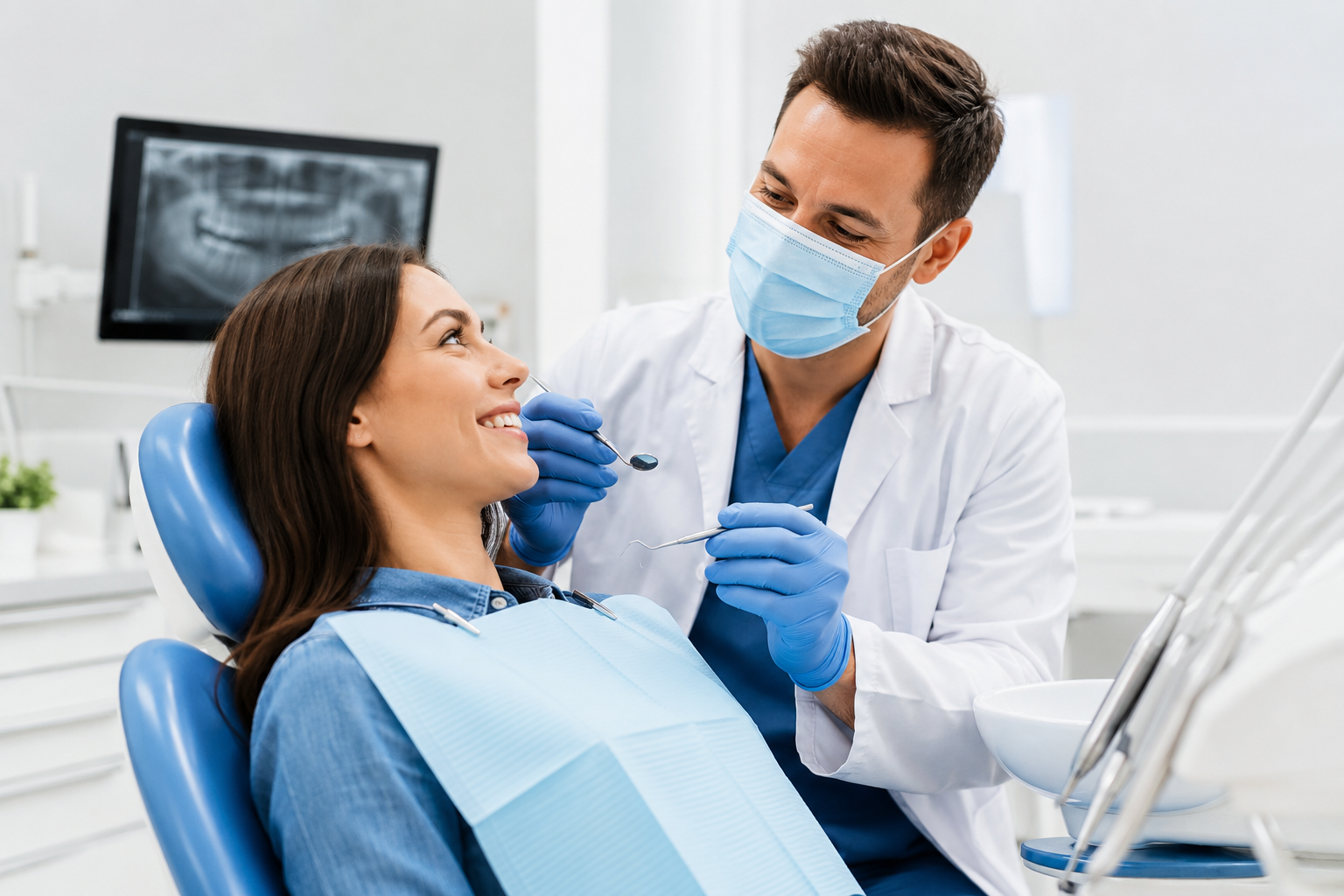
You will find clear, practical help if a dental emergency happens in Stuart, FL. If you need urgent care—broken tooth, sudden pain, or knocked-out tooth—contact a local emergency dentist immediately for same-day assessment and treatment. The area’s emergency practices offer prompt stabilizing care, pain control, and referrals for specialized procedures when necessary.
They explain what to expect during an emergency visit and walk you through immediate steps to reduce pain and prevent further damage. The article covers common emergencies, local treatment options, how to choose the right emergency dentist, cost and insurance basics, and ways to prevent future crises—so you’ll feel prepared and calm if an emergency occurs.
Common Dental Emergencies in Stuart, FL
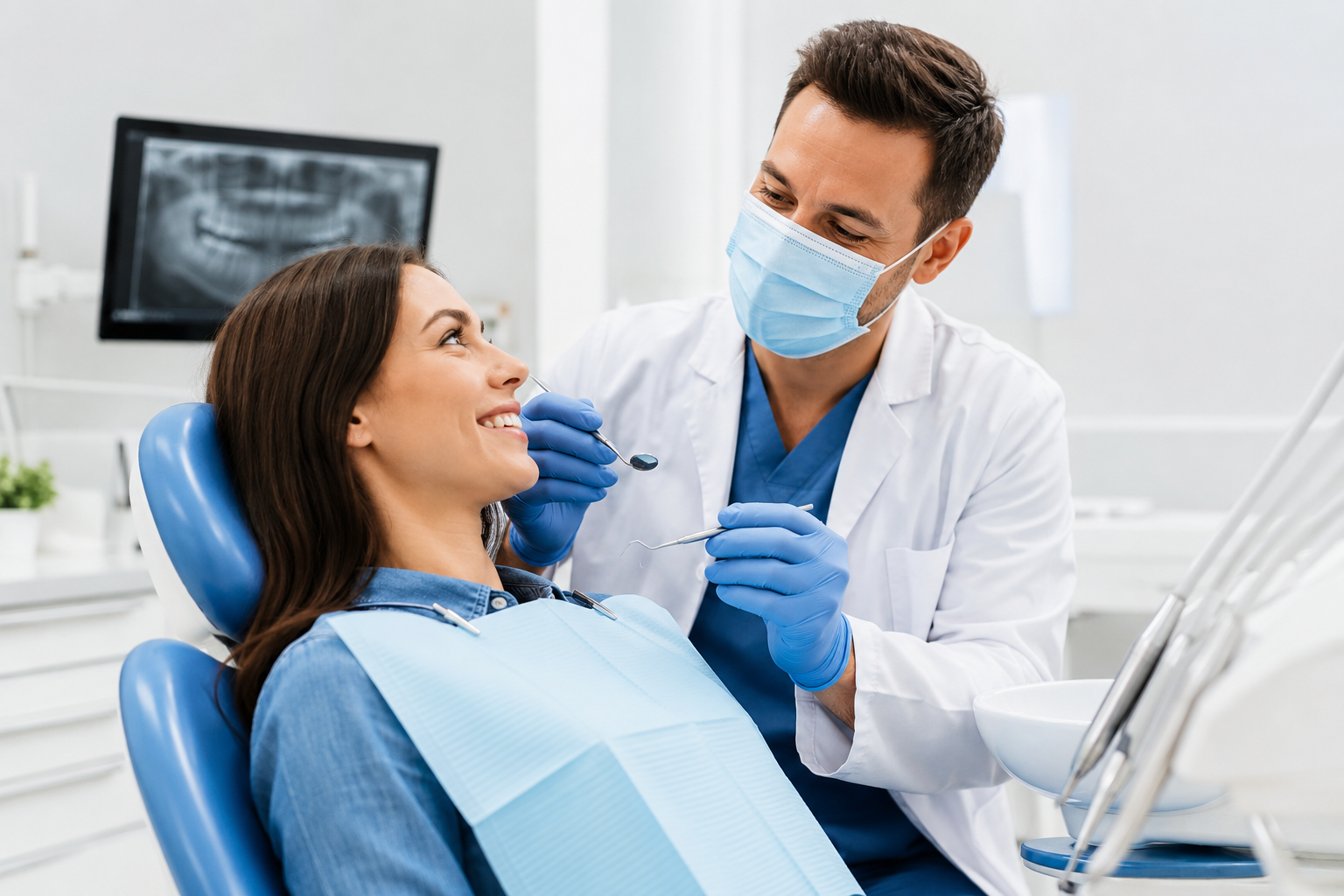
This section outlines typical urgent dental problems residents face and clear steps to manage each situation until they can see a dentist. It highlights what to watch for, immediate first-aid, and common in-office treatments available in Stuart.
Toothaches and Sudden Pain
Toothaches often signal infection, a cracked tooth, or advanced decay. If pain is constant, sharp with chewing, or wakes someone at night, they should contact a dentist promptly because untreated infection can spread to surrounding tissues.
Immediate steps: rinse with warm salt water, floss gently to remove trapped debris, and take over-the-counter ibuprofen or acetaminophen for pain relief. Apply a cold pack to the cheek for 10–15 minutes to reduce swelling and pain; avoid placing heat directly on the face if swelling is present.
At the dental office, the dentist will evaluate with clinical exam and X-rays. Treatments include removing decay and placing a filling, performing a root canal for nerve infection, or extracting a non-restorable tooth. Antibiotics may be prescribed when there are signs of spreading infection (fever, facial swelling, or swollen lymph nodes).
Preventive note: regular dental checkups and early treatment of cavities reduce the chance of sudden severe pain. Patients with a history of large restorations should report any new sensitivity immediately.
Chipped or Broken Teeth
A chipped tooth may be minor or indicate a deeper fracture that threatens the pulp. Small enamel chips often only affect appearance, while larger breaks can expose dentin or nerve tissue and cause sharp pain or sensitivity to temperature.
Immediate care: save any broken pieces in milk or saliva and bring them to the dentist. Rinse the mouth with warm water and apply a cold compress to control swelling. Avoid biting on the damaged tooth and stick to soft foods until evaluated.
Dental options depend on the damage: smoothing and bonding for small chips, composite or porcelain veneers for cosmetic repair, crowns for larger structural loss, and root canal therapy plus crown if the pulp is exposed. Emergency visits in Stuart typically prioritize pain control, protecting the tooth, and scheduling definitive restoration.
Safety tip: wear a mouthguard during sports to reduce the risk of chipped or broken teeth. For older restorations, consider a checkup after a hard impact even if pain is absent.
Knocked-Out Teeth
A tooth completely displaced from its socket requires immediate action to improve the chance of successful re-implantation. Permanent teeth (not baby teeth) have the best prognosis if treated quickly.
First-aid steps: find the tooth, hold it by the crown (not the root), rinse it gently with water if dirty, and try to reinsert it into the socket and hold in place. If reinsertion isn’t possible, store the tooth in milk, saline, or the patient’s saliva and get to the dentist within 30–60 minutes for the best outcome.
At the clinic, the dentist assesses root and socket damage, may re-implant and stabilize the tooth with a splint, and will prescribe antibiotics and tetanus prophylaxis if indicated. Follow-up includes monitoring for root resorption and checking pulp vitality; root canal treatment is commonly needed for mature teeth.
Note: do not scrub the root or use disinfectants on the tooth. Time and proper storage are the two most critical factors for saving a knocked-out tooth.
Lost Fillings or Crowns
A lost filling or crown can expose dentin and nerve tissue, increasing sensitivity and risk of decay. Crowns may loosen due to decay under the crown, cement failure, or a fractured underlying tooth.
Immediate measures: recover and bring the restoration to the dental office if possible. Apply a temporary dental cement (available at pharmacies) or sugar-free gum to protect the area short-term. Avoid chewing on that side and keep the tooth clean by gently brushing and rinsing.
Definitive care includes assessing the tooth for recurrent decay or fracture and either recementing the crown, fabricating a new crown, or placing a new filling. If extensive decay or infection is present beneath the restoration, root canal therapy or extraction may be necessary.
Preventive advice: maintain good oral hygiene and attend regular dental visits to identify failing restorations early. Patients with loose crowns should call their Stuart dental office promptly to prevent further damage or discomfort.
What to Expect During an Emergency Visit
Patients receive swift assessment, targeted diagnostics, and clear pain-control plans to stabilize urgent dental problems and plan definitive care.
Initial Assessment and Comfort Measures
When a patient arrives, the dental team asks about the pain onset, location, any bleeding, and recent medical history. They take vital signs if needed and document allergies and current medications to avoid complications with treatment or medications.
A trained dental assistant or hygienist begins basic comfort measures immediately. These include applying a cold pack to reduce swelling, providing gauze for bleeding, and offering rinses or topical anesthetic to numb the area briefly.
The dentist performs a focused oral exam to identify broken teeth, displaced restorations, obvious infections, or trauma to soft tissues. They explain findings in plain language and outline short-term steps to relieve pain and protect teeth while discussing timing for follow-up care.
Diagnostic Tools and Technology
Clinics commonly use digital X-rays to locate fractures, abscesses, and bone involvement with minimal exposure. Intraoral cameras show high-resolution images of the tooth surfaces and soft tissues so the dentist can point out the problem to the patient.
If facial trauma or complex infection is suspected, cone beam CT (CBCT) is available at many emergency offices to map bone structure and root positions in three dimensions. Results help decide whether extraction, root canal, or referral to a specialist is necessary.
Laboratory tests, such as culture swabs or questionnaires for systemic infection signs, may be used when swelling or fever suggests spreading infection. The dentist documents findings and uploads images to the patient record for clear communication and for any required referrals.
Pain Management Options
Immediate pain control often begins with local anesthesia targeted to the affected tooth or area. Dentists use topical gel first for needle comfort, then inject numbing medication to allow procedures like temporary fillings, drainage of abscesses, or extractions.
For moderate to severe pain, a short course of prescription analgesics or antibiotics may be given. Dentists choose medications based on allergy history and the likely source of pain; for example, antibiotics only when a bacterial infection is present.
Nonpharmacologic measures complement medications: ice packs, soft diet recommendations, and clear instructions on oral hygiene to prevent worsening. The dentist provides written aftercare steps and a clear timeline for follow-up to complete definitive treatment and monitor recovery.
How to Respond in a Dental Emergency
Quick, calm actions can reduce pain and prevent further damage. This section explains clear first-aid steps, when to get urgent professional care, and common mistakes to avoid.
Immediate Steps at Home
For bleeding after a knocked-out or fractured tooth, have the person bite gently on sterile gauze for 10–20 minutes. If gauze isn’t available, use a clean cloth or tea bag; black tea helps clotting because of tannins.
If a tooth is completely knocked out, hold it by the crown (not the root). Rinse it gently with saline or milk—do not scrub or remove attached tissue—and try to reinsert it into the socket if the person is conscious and cooperative. If reinsertion isn’t possible, store the tooth in milk, saline, or the person’s saliva; transport it to the dentist within 30–60 minutes for the best chance of saving the tooth.
For severe pain from a cracked tooth, rinse with warm water and apply a cold pack to the cheek for 10–15 minutes to reduce swelling. Over-the-counter pain relievers like ibuprofen can help; follow dosing instructions and avoid placing aspirin directly on gums. Keep soft foods and avoid chewing on the injured side until evaluated.
When to Seek Urgent Care
Seek immediate professional help for uncontrolled bleeding, swelling that affects breathing or swallowing, a knocked-out tooth, or severe facial trauma. In Stuart, FL, contact an emergency dental clinic or head to the nearest ER if airway compromise or heavy bleeding occurs.
For intense, unrelenting toothache with fever or facial swelling, call an emergency dentist the same day—these can indicate a spreading infection needing antibiotics or drainage. Pain that prevents sleeping, eating, or speaking also warrants urgent evaluation.
If a crown, filling, or orthodontic wire is lost and causing sharp soft-tissue irritation, visit an urgent dentist within 24 hours to prevent further damage. Bring any fragments, the avulsed tooth in a proper medium, and a list of current medications to the appointment.
What Not to Do in Dental Emergencies
Do not scrub a knocked-out tooth or remove tissue fragments attached to the root; this lowers the chance of successful reimplantation. Avoid wrapping the tooth in dry tissue or storing it dry—dry conditions severely reduce viability.
Do not use household glue, superglue, or other adhesives to reattach crowns or teeth; these products can contaminate the site and interfere with professional evaluation.
Do not ignore progressive swelling, fever, or difficulty breathing; these are signs of spreading infection that can become life-threatening. Avoid placing heat on an infected area; heat increases circulation and can worsen swelling.
Specialized Treatments Available Locally
Local practices provide fast access to tooth restoration, surgical tooth care, and infection control tailored to urgent needs. Patients can expect same-day evaluations, imaging, and treatment plans designed to relieve pain and prevent complications.
Restorative Dental Procedures
Clinics in Stuart offer same-day crowns, onlays, and composite fillings to repair fractured or decayed teeth that cause acute pain or sensitivity. Many offices use in-office digital impressions and CAD/CAM milling to deliver a ceramic crown in a single visit, avoiding multiple appointments and temporary crowns.
For avulsed or partially dislodged teeth, clinicians perform repositioning and splinting, then monitor healing over weeks. Root canal therapy is available to remove inflamed or infected pulp; practitioners often use rotary instruments and apex locators for efficient, predictable treatment.
When a tooth cannot be saved, local dentists provide immediate tooth replacement options such as a provisional bridge or a same-day implant consult. They prioritize pain control with local anesthesia, sedation options when appropriate, and clear post-op instructions to reduce risk of reinjury.
Oral Surgery Solutions
Oral surgeons and general dentists handle extractions of fractured, impacted, or non-restorable teeth using atraumatic techniques to preserve surrounding bone. Wisdom tooth removal and surgical extraction of broken roots are common emergency procedures, with surgeons offering conscious sedation or IV sedation for anxious patients.
Bone grafting and ridge preservation are available when extraction risks future implant failure; practitioners place graft material at the time of extraction when indicated. For severe jaw pain or acute temporomandibular joint (TMJ) issues, clinics provide urgent evaluation, muscle relaxants, and referral for physical therapy or surgical consultation if conservative care fails.
Postoperative care emphasizes bleeding control, infection prevention, and pain management through tailored prescriptions, local hemostatic agents, and patient-specific aftercare plans. Follow-up visits assess healing and determine next steps for restorative rehabilitation.
Infection Control and Abscess Care
Providers treat dental abscesses with incision and drainage when localized pus is present, plus targeted antibiotics based on clinical presentation and medical history. They use local anesthesia for comfort, obtain culture when needed, and coordinate with physicians for systemic infections or immunocompromised patients.
Root canal therapy or extraction follows drainage to remove the infection source. Offices commonly perform point-of-care imaging (periapical and CBCT) to evaluate spread to sinus or jawbone and to plan definitive treatment.
Emergency clinics also manage cellulitis and spreading infections by arranging urgent hospital referral if airway compromise or systemic signs occur. They explain antibiotic duration, signs of worsening infection, and when to seek immediate medical attention, emphasizing patient safety and clear next steps.
Choosing the Right Emergency Dentist in Stuart
Good emergency dental care combines fast response, clear communication, and practical follow-through so patients get relief and a plan for recovery. The subsections below explain specific qualities, scheduling practices, and after-hours availability to prioritize when choosing a provider.
Key Qualities to Look For
Dentists should hold an active Florida dental license and have verifiable emergency dentistry experience, such as treating avulsed teeth, severe infections, and traumatic dental injuries. Check state license lookup and read recent patient reviews that mention response time and pain control.
Look for clinics that list on-site X-ray/CBCT and pain-management options like local anesthesia and short-term antibiotics. Availability of same-day restorative options (temporary crowns, sedation for complex cases) reduces repeat visits and shortens recovery time.
Assess staff communication: clear triage phone protocols, estimated wait times, and written post-treatment instructions matter. Confirm whether the dentist coordinates with local ERs and oral surgeons for complex referrals.
Patient-Friendly Scheduling
A patient-friendly schedule offers same-day slots reserved for genuine emergencies rather than standard waitlists. Ask the clinic how they prioritize trauma, uncontrolled bleeding, and severe infection versus non-urgent toothaches.
Online booking with an emergency intake form speeds triage; the form should collect symptoms, pain level, and recent medical history. Phone triage staffed by clinical personnel provides immediate guidance on pain control and whether ER transport is needed.
Transparent pricing and insurance policies reduce stress. Clinics that provide estimated costs for common emergency procedures and accept major insurers or offer clear self-pay options help patients make informed decisions quickly.
After-Hours Care Availability
True emergency practices offer extended hours, weekends, or an on-call dentist reachable by phone after clinic hours. Confirm whether the on-call dentist can authorize urgent prescriptions and arrange a next-morning appointment when immediate in-office care isn’t possible.
Understand response expectations: reliable clinics call back within 15–30 minutes for urgent calls and give specific instructions for bleeding control, swelling reduction, or managing luxated teeth. Ask if voicemail systems are monitored by clinical staff or only by administrative personnel.
Evaluate continuity of care: the emergency dentist should document visits in a chart accessible to the patient’s regular dentist and provide a written follow-up plan. This reduces gaps in treatment and ensures proper healing and restorative planning.
Ensuring Comfort and Reducing Anxiety
The practice focuses on gentle care, clear communication, and options that let patients stay relaxed during urgent visits. Staff prioritize quick pain relief, predictable procedures, and respect for personal comfort preferences.
Gentle Techniques and Communication
The dental team uses a step-by-step approach to minimize discomfort from the moment a patient checks in. Staff explain each action in plain language, confirm consent before starting, and offer short breaks during treatment to keep the patient in control.
Topical anesthetic gels and local nerve-block injections are placed precisely to numb only the necessary area, reducing sensation without affecting speech or swallowing. Clinicians use slow, steady injections and distraction techniques—such as guided breathing or a handheld stress ball—to lower immediate discomfort.
For procedures like extractions or root canal therapy, the dentist describes timing, expected sensations, and aftercare in a one-page handout so the patient can follow instructions easily at home. Communication also includes setting realistic pain-management expectations and prescribing or recommending analgesics when appropriate.
Modern Sedation Options
The clinic offers several sedation levels tailored to the urgency of the case and the patient’s anxiety level. Nitrous oxide (laughing gas) provides mild anxiolysis and wears off quickly, allowing patients to drive within minutes after treatment.
Oral conscious sedation—an oral medication taken before arrival—induces deeper relaxation but requires a responsible adult to drive the patient home. For more complex or highly anxious cases, IV sedation administered by trained personnel provides rapid, adjustable effects and continuous monitoring of vital signs.
Before any sedative is used, staff review medical history, current medications, and fasting instructions. They discuss risks, benefits, and recovery expectations, and provide written consent forms. Monitoring equipment and emergency protocols remain in place during every sedated visit for safety and reassurance.
Support for Children and Nervous Patients
Staff adapt language and pacing when treating children or very anxious adults to create a predictable, calm experience. Pediatric-focused strategies include tell-show-do demonstrations, child-size seating, and positive reinforcement with small rewards when appropriate.
For nervous adults, the team offers pre-visit phone calls to review the plan, extra time for questions, and the option to arrive early for a quiet waiting area. Noise-cancelling headphones and a blanket are available to help patients feel secure during procedures.
When fear stems from past trauma or strong gag reflexes, clinicians use behavioral techniques, topical desensitizers, and positioning adjustments. They also coordinate with mental health or primary care providers if deeper interventions or medication management would improve safety and comfort.
Preventing Dental Emergencies
Simple daily habits, the right protective gear for activities, and regular professional exams reduce the chance of pain, broken teeth, and infections. Focused action—consistent brushing and flossing, mouthguards for sports, and routine dental checkups—lets people catch problems before they become emergencies.
Everyday Oral Care Tips
They should brush twice daily with a soft-bristled brush and fluoride toothpaste for two minutes each time. Brushing removes plaque buildup that leads to decay and gum disease, the most common causes of sudden tooth pain and infection.
Flossing once a day clears interdental food and plaque that a brush misses. Use waxed floss if teeth are tight; interdental brushes or a water flosser work well for bridges, implants, or large spaces.
Limit sticky and sugary foods, especially between meals, and avoid chewing ice, popcorn kernels, or hard candy. These habits dramatically lower the risk of cracked teeth and urgent restorations.
If they grind teeth at night, a custom nightguard from the dentist prevents wear, fractures, and jaw pain. Replace toothbrushes every three months or after illness to maintain cleaning effectiveness.
Protective Gear for Sports
They must wear a properly fitted mouthguard for contact or high-impact sports like football, hockey, basketball, and skateboarding. A stock guard offers minimal protection; a boil-and-bite is better, and a custom-fitted guard from a dentist provides the best fit and shock absorption.
Face shields and helmets reduce facial and head trauma that can secondarily damage teeth and jaws. For orthodontic patients, specific guards cushion braces and reduce laceration risk.
Store mouthguards in a ventilated case and clean them daily with mild soap and water. Inspect guards for wear and replace them after heavy use or impact.
Bring an emergency kit to games with a small container for knocked-out teeth, gauze, and the dentist’s contact information. For avulsed teeth, place the tooth in milk or saline and seek dental care within 60 minutes for the best chance of reimplantation.
Regular Checkups for Early Detection
They should schedule dental exams and cleanings every six months, or more often if the dentist recommends it for gum disease, diabetes, or a history of decay. Professional cleanings remove hardened tartar that causes periodontal problems not eliminated by home care.
Digital X-rays and clinical exams catch small cavities, cracked teeth, and root issues before they become painful emergencies. Early detection often allows for conservative, same-day treatments rather than extractions or root canals.
Discuss medication changes, medical conditions, and any recent facial trauma at each visit so the dentist can adjust the prevention plan. When radiographic or intraoral camera findings show risk, the dentist can place protective sealants, prescribe fluoride treatments, or fabricate nightguards to prevent future urgent visits.
If signs of worsening infection, swelling, or persistent sensitivity appear between visits, contact the dental office promptly to arrange an evaluation and avoid escalation.
Cost and Insurance Considerations
Patients should expect varied out-of-pocket costs depending on the procedure, the time of service, and their insurance plan. Many practices in Stuart, FL, offer transparent estimates and several payment options to reduce financial stress during emergencies.
Understanding Emergency Fees
Emergency visits often include a triage or urgent visit fee that ranges from about $50 to $150 at many Stuart clinics. Additional treatment costs depend on the procedure: a simple extraction typically runs $150–$350, a root canal $600–$1,200, and dental crowns $800–$1,500, though exact prices vary by tooth and materials.
After-hours or weekend care usually adds an emergency surcharge, commonly 25–50% above normal rates. Diagnostic charges — X-rays ($25–$150) and cone-beam CT scans ($150–$300) — may be billed separately. Patients should request a written estimate before treatment when possible and ask which components are itemized: exam, imaging, anesthesia, and restorative work.
Coverage Through Dental Insurance
Most dental insurance plans cover part of emergency exams and urgent care, but coverage levels differ widely. Preventive and basic services often get higher reimbursement; major procedures like crowns and root canals may be subject to waiting periods or lower benefit percentages.
Explain benefits to the insurer before treatment to confirm coverage specifics: deductibles, annual maximums, and whether emergency room visits are covered. In-network dentists yield lower patient responsibility, while out-of-network care may require pre-authorization or higher co-insurance. For patients with medical insurance but no dental plan, some ER visits for dental pain get billed to medical benefits; this varies by carrier.
Flexible Payment Solutions
Many Stuart dental offices accept major credit cards, cash, and checks, and they commonly partner with third-party financing such as CareCredit. CareCredit provides short-term, interest-free plans and longer-term options with fixed monthly payments that help spread the cost of unexpected care.
Clinics often offer in-office payment plans for qualifying patients and sliding-scale fees based on income for emergency stabilizing care. Ask the front desk about payment plan terms, interest rates, and required down payments before treatment. Requesting a written agreement helps prevent surprises and clarifies monthly obligations.
Local Resources and Community Support
Local clinics and urgent care centers in Stuart offer same-day or walk-in appointments for many dental emergencies. They coordinate with emergency dentists to stabilize pain, manage infections, and arrange follow-up care when needed.
Community health centers provide low-cost or sliding-scale dental services for qualifying residents. These centers often partner with volunteer dentists during periodic clinics to treat urgent needs like toothache, broken teeth, and oral infections.
The Martin County Health Department and local nonprofit organizations maintain directories of available services. They list contact details, eligibility rules, and typical wait times to help residents choose the fastest option.
Pharmacies in Stuart often stock over-the-counter pain relief and temporary dental repair kits. Pharmacists can recommend immediate measures—such as rinsing with warm salt water or using dental wax—to reduce discomfort before professional care.
Dental societies and local practices frequently offer patient education events and emergency preparedness materials. These resources explain when to seek urgent care versus scheduling a routine appointment, and how to preserve an avulsed (knocked-out) tooth.
Contact information snapshot:
- Martin County Health Dept.: (contact clinic directly for updated hours)
- Local urgent care centers: check online listings for walk-in availability
- Pharmacies: for temporary supplies and pain relief
They encourage patients to call ahead when possible and keep an emergency dental kit at home. This simple preparation helps reduce stress and ensures faster, more effective treatment.
Final Thoughts and Next Steps
Patients who face a dental emergency in Stuart, FL should act promptly and calmly. Quick contact with a local emergency dentist can reduce pain and improve outcomes.
They should gather basic information before calling: location, symptoms, any relevant medical history, and photos if possible. This helps the dental team prioritize care and prepare appropriate treatment.
If pain, swelling, uncontrolled bleeding, or knocked-out teeth occur, seeking care within hours matters. For non-urgent issues, scheduling the next available appointment still prevents problems from worsening.
Consider keeping an emergency kit at home with gauze, a small container for a tooth, over-the-counter pain relief, and the dentist’s contact details. This simple preparation makes a stressful moment easier to manage.
Patients may ask about costs and insurance coverage; calling the dental office ahead clarifies payment options and whether walk-in or same-day service is available. Many practices provide clear guidance and can suggest temporary measures until treatment.
They should follow post-treatment instructions closely and schedule any recommended follow-up or restorative work. Preventive care and routine visits reduce the likelihood of future emergencies.
Contact the chosen Stuart dental office for questions, to confirm hours, or to book an emergency visit. Prompt communication helps ensure timely relief and the best possible outcome.
Frequently Asked Questions
This section answers specific situations, expected timelines, immediate first-aid steps, typical treatments, and cost/insurance realities for emergency dental care in Stuart, FL. It focuses on practical actions patients can take and what to expect at the clinic.
What counts as a true dental emergency, and when should I go to the ER instead of calling a dentist?
True dental emergencies include uncontrolled bleeding, severe facial swelling that affects breathing or swallowing, trauma causing loss of consciousness, and deep infections with fever. These require immediate attention; call 911 or go to the nearest emergency room if breathing or airway compromise is present.
Severe tooth pain, a tooth knocked out, or a broken tooth exposing nerve tissue qualify as dental emergencies that dentists treat faster than routine appointments. For intense pain or spreading infection without airway issues, contact an emergency dental office in Stuart before heading to the ER.
How quickly can I be seen for severe tooth pain, swelling, or a possible infection?
Many emergency dental practices in Stuart offer same-day appointments or walk-in slots for acute symptoms. Expect to be seen within a few hours if contacted early in the day; after-hours policies vary, so call the clinic’s emergency line.
If swelling progresses rapidly or systemic signs appear (fever, difficulty breathing), the ER will prioritize immediate care. Dental clinics will often coordinate with the ER or urgent care for severe systemic infections.
What should I do at home right now if I cracked a tooth or a filling fell out after hours?
Rinse the mouth with warm salt water to reduce bacteria and gently remove debris. Use over-the-counter pain relievers (acetaminophen or ibuprofen) per label instructions and apply a cold compress to reduce swelling.
If a filling is lost, avoid chewing on that side and keep the area clean. Temporary dental-repair kits from pharmacies can cover sharp edges until a dentist can restore the tooth.
How are knocked-out or loose teeth treated, and how much does timing affect saving the tooth?
A knocked-out permanent tooth has the best chance of being saved if replanted within 30–60 minutes. Handle the tooth by the crown, rinse gently if dirty, and try to reinsert it; otherwise store it in milk or a tooth-preservation solution and get to an emergency dentist immediately.
Loose teeth from trauma may need splinting to adjacent teeth or root treatment depending on root damage. The sooner treatment occurs, the higher the likelihood of preserving the tooth and preventing infection.
What can I expect during an emergency visit—x-rays, pain control options, and same-day treatment?
The dentist will take targeted x-rays to assess fractures, root issues, or abscesses. Pain control may include local anesthesia, oral analgesics, or short-term prescriptions; in-office procedures like fillings, extractions, or root canal starts are common same-day interventions.
Clinics will explain treatment options and next steps, such as scheduling a definitive crown or completing root canal therapy. Steroid or antibiotic prescriptions might accompany care when swelling or infection is present.
How do emergency dental visits work with insurance or self-pay, and what are common costs to plan for?
Most emergency dental offices accept major dental insurance and will verify benefits; copays and coverage vary by plan and by whether the service is considered urgent or restorative. Patients paying out of pocket should expect exam and x-ray fees plus charges for procedures: simple extractions typically range lower, while root canals, crowns, or implants cost more.
Ask the clinic before treatment for estimates and payment options; many practices offer payment plans or online financing for larger procedures. Emergency visits often require an upfront deposit or payment at the time of service.