
You’ll discover how veneers can change your smile and simplify daily life in Stuart, FL. Veneers offer a natural-looking, durable way to fix chips, gaps, and discoloration so you can feel confident in photos, meetings, and casual moments.
A friendly neighborhood dental expert explains what veneers are, how they transform smiles, and what to expect during treatment in Stuart. You’ll learn practical benefits like easier maintenance, long-term durability, and what to consider before choosing veneers, plus clear next steps for scheduling a consultation.
What Are Dental Veneers?
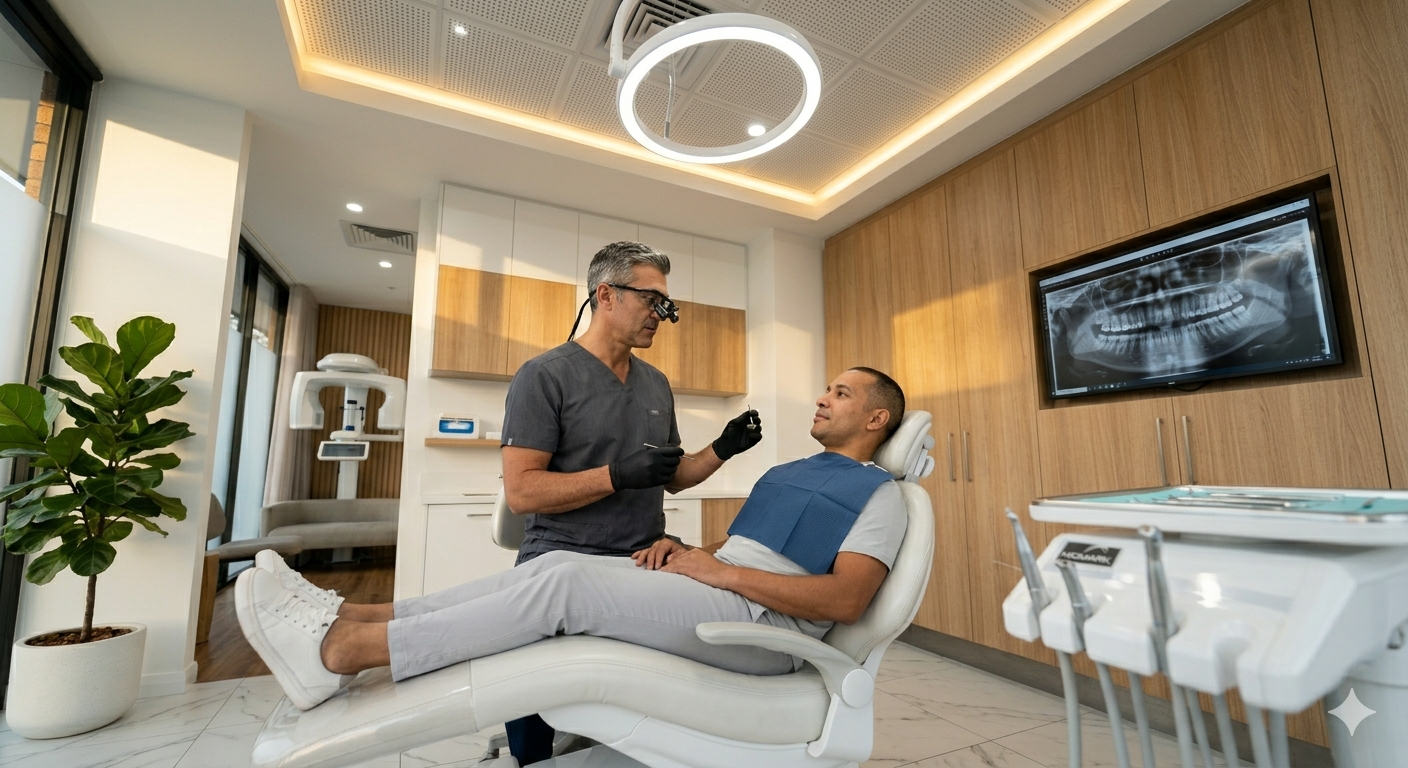
Dental veneers are thin shells bonded to the front of teeth to change color, shape, size, or minor alignment. They provide a conservative cosmetic option that preserves most natural tooth structure while delivering predictable aesthetic results.
Types of Veneers Available
Porcelain veneers are the most common choice for patients in Stuart, FL. They resist stains, mimic natural enamel translucency, and typically last 10–15 years with proper care. Porcelain requires two to three visits: consultation, tooth preparation and impressions, then final bonding.
Composite resin veneers cost less and can often be placed in a single visit. The dentist sculpts resin directly on the tooth and then hardens it with a light. Composite is more prone to staining and chips, but repairs are simple and affordable.
Ultra-thin or “no-prep” veneers require minimal or no enamel removal. They fit over teeth with mild spacing or shape issues. Not every case qualifies; the dentist evaluates tooth position, bite, and desired outcome before recommending this option.
How Veneers Work
Veneers change the visible surface of teeth while leaving most of the natural tooth intact. For porcelain veneers, the dentist removes a thin layer of enamel—usually 0.3–0.7 mm—to create space for the shell and ensure a natural contour. This step helps veneers bond flush with adjacent teeth.
The lab fabricates porcelain veneers from impressions or digital scans that capture tooth shape and bite. The dentist checks fit, color, and contour before permanently bonding veneers with a specialized dental cement. Light-curing sets the cement within seconds.
Composite veneers follow a similar bonding process but are built up chairside. Both types require careful bite adjustment to avoid excessive force, and most dentists recommend a nighttime protective guard if the patient grinds their teeth.
Who Is a Good Candidate?
Ideal candidates have healthy teeth and gums, realistic expectations, and cosmetic concerns such as discoloration, small chips, uneven spacing, or worn edges. Patients with untreated decay or active gum disease must address those issues before getting veneers.
People with severe bite problems, bruxism without management, or very thin enamel may need alternative treatments like crowns or orthodontics. Teenagers should generally wait until tooth development is complete.
A consultation in Stuart, FL, will include a dental exam, X-rays, and discussion of goals. The dentist evaluates enamel thickness, tooth alignment, and oral habits to determine whether veneers will deliver a durable, natural-looking result.
Smile Transformations With Veneers
Veneers address cosmetic flaws with predictable, durable results that preserve tooth structure. They improve appearance, function, and confidence through targeted changes to shape, color, and spacing.
Correcting Chips and Cracks
Veneers cover small to moderate chips and non-structural cracks on the visible front surfaces of teeth. A thin porcelain or composite shell bonds to the enamel and restores the tooth’s natural contour and strength without full crowns in many cases.
Dentists remove minimal enamel—typically 0.3–0.7 mm—so the veneer sits flush and the bite remains stable. This conservative approach reduces sensitivity risk compared with more invasive restorations.
For hairline cracks that don’t involve the pulp, veneers block staining and stop cracks from worsening by distributing biting forces across the restored surface. Patients with damaged front teeth often report immediate improvements in comfort and appearance after placement.
Brightening Discolored Teeth
Veneers provide a reliable option for teeth that do not respond to whitening, such as tetracycline stains, intrinsic discoloration, or teeth with large restorations. Porcelain veneers offer high translucency and stain resistance, allowing clinicians to match adjacent teeth or choose a brighter shade.
Clinicians layer porcelain or use high-quality composite to mimic enamel optics while preventing future staining. This reduces the need for repeated whitening and frequent maintenance compared with bonded resin alone.
When shade selection matters, dentists use digital photos and shade guides to demonstrate expected results. Patients receive predictable color improvement that lasts years with routine hygiene and occasional professional polishing.
Closing Minor Gaps
Veneers can close small diastemas and uneven spacing without orthodontics when tooth alignment is otherwise acceptable. By adding thin material to the tooth sides, clinicians can change proportions and create natural-looking contact points.
This approach delivers faster esthetic results than braces or aligners for isolated spacing issues, often requiring two appointments: preparation and bonding. Dentists evaluate bite and occlusion first to ensure veneers will not be overloaded, and they may combine minimal enamel recontouring for optimal fit.
For larger gaps or significant alignment problems, orthodontic treatment may still be recommended; veneers remain a strong option when speed and appearance are priorities.
Everyday Benefits for Stuart Residents
Veneers offer practical improvements that fit daily life in Stuart, from smiling confidently at the beach to enjoying meals at local restaurants. They address common, visible concerns—color, shape, and small gaps—so residents can feel comfortable in social and professional situations.
Boosting Confidence in Social Settings
Veneers correct stains, chips, and uneven spacing that often cause people to hide their smiles in photos or at gatherings. For someone attending a Marina Village event or a neighborhood fundraiser, veneers create a brighter, more symmetrical smile that shows in group photos and during conversations.
The procedure uses conservative preparation and high-quality porcelain that resists staining from coffee, wine, and Florida sun-related discoloration. Recovery is brief; most patients return to normal social activities within a day or two, feeling less self-conscious and more willing to engage in community life.
Veneers also reduce the need for frequent cosmetic touch-ups like at-home whitening, saving time before events. That convenience helps residents spend more time with friends and family and less time worrying about appearance.
Enhancing Professional Impressions
First impressions matter in client meetings, interviews, and networking events common in Stuart’s service and small-business communities. Veneers create a polished, professional look by aligning and whitening teeth, which can subtly increase perceived reliability and attention to personal care.
For professionals who meet clients face-to-face—real estate agents, healthcare providers, or boutique owners—a consistent smile conveys competence and approachability. Veneers maintain color stability better than many whitening options, helping professionals present the same confident appearance across meetings and photos.
The long-term durability of porcelain veneers minimizes disruptions for busy schedules. With routine checkups and proper home care, veneers can sustain a professional image for years, reducing the frequency of cosmetic touch-ups and dental visits focused solely on appearance.
Durability and Longevity of Veneers
Veneers in Stuart, FL typically last many years when placed and maintained correctly. Materials, bonding technique, and daily habits determine how long they stay attractive and functional.
What to Expect Over Time
Porcelain veneers commonly last 10–15 years; lithium disilicate (e.max) can last 15–20 years with good care. Composite resin veneers usually need replacement sooner, often 5–7 years, because they stain and wear faster.
Color and shine remain stable with porcelain because it resists staining and mimics enamel. Small chips or edge wear can occur from hard foods, nail-biting, or grinding. Bond failure is uncommon but possible; patients may notice sensitivity, looseness, or a visible margin.
Dentists recommend routine checks every 6 months to catch early issues. If a veneer fails, a replacement typically requires removing the old bond and bonding a new veneer to the prepared tooth. Insurance coverage varies; many plans categorize veneers as cosmetic and limit benefits, so patients should verify costs beforehand.
Caring for Your Smile
Daily oral hygiene preserves veneers: brush twice with non-abrasive fluoride toothpaste and floss once daily to prevent decay at margins. An electric toothbrush helps control pressure and improves plaque removal without excessive force.
Avoid biting hard objects—ice, hard candy, pens—and use a nightguard if grinding (bruxism) is present; custom guards reduce stress that causes fractures. For stains, limit coffee, red wine, and tobacco; professional cleanings every 3–6 months keep margins clean and assess soft-tissue health.
If a veneer chips or feels loose, contact the dentist promptly to prevent further damage or decay. Regular dental visits let the clinician monitor fit, bite, and surrounding gums, extending the lifespan of veneers and protecting natural teeth.
Veneer Treatment Experience in Stuart
Patients can expect a focused, modern process that prioritizes precision and comfort. The team explains each step, uses high-quality materials, and adapts treatment to the patient’s unique smile goals.
Modern Approaches and Technology
Clinics in Stuart commonly use digital smile design and intraoral scanners to map tooth shape and bite with high accuracy. These tools create a virtual preview of the final result, so patients see proposed changes before any enamel is altered.
Many practices partner with local or in-house dental labs that mill veneers from lithium disilicate or feldspathic porcelain. These materials balance strength and lifelike translucency and are chosen based on the patient’s bite forces and aesthetic priorities.
Same-day and minimally invasive workflows are available. When indicated, conservative prep preserves more natural tooth structure; resin-bonded or ultra-thin veneers may avoid extensive reduction. Imaging and shade-matching systems ensure color consistency with neighboring teeth.
Comfort-Focused Care
Clinics emphasize painless appointments through topical anesthetics and targeted local anesthesia when prepping teeth. Dentists explain sensations to expect, such as pressure rather than sharp pain, and confirm patient comfort before proceeding.
Temporary veneers or mock-ups are often placed while the lab fabricates permanent pieces, protecting teeth and allowing patients to test appearance and function. Adjustments to shape or shade are made at this stage to avoid surprises.
Post-bonding care includes clear instructions on eating, oral hygiene, and follow-up visits for polishing and occlusion checks. Many offices offer sedation options and flexible scheduling to reduce anxiety and accommodate recovery needs.
Considerations Before Choosing Veneers
Patients should weigh durability, appearance, cost, tooth preparation, and long-term maintenance when deciding on veneers. Understanding alternatives, expected lifespan, and financial options helps set realistic expectations and plan for follow-up care.
Comparing Alternatives
Veneers change shape and color with conservative enamel removal, but other options can fit different needs. Bonding uses composite resin applied in one visit and costs less, yet it stains and chips faster. Crowns cover the whole tooth and suit teeth with large fillings or root canals; however, crowns require more tooth reduction and higher cost. Invisalign or clear aligners correct alignment without removing enamel, which might reduce or eliminate the need for veneers for spacing or minor rotation issues.
A dentist evaluates tooth structure, bite forces, gum health, and aesthetic goals before recommending a path. For patients with heavy grinding, a nightguard or orthodontics often precede veneer treatment. For discoloration from tetracycline or severe staining, porcelain veneers or crowns typically produce more predictable long-term color stability than bonding.
Investment and Value
Porcelain veneers typically cost more upfront than bonding but last 10–15 years or longer with proper care, making them cost-effective over time for many patients. Insurance rarely covers purely cosmetic veneer procedures, so patients should plan for out-of-pocket expenses or inquire about payment plans and dental financing through their dentist in Stuart, FL.
Consider continued costs: regular hygiene visits, potential replacement every decade, and protective measures like nightguards for grinders. A clear written treatment plan that lists fees, warranty details, and follow-up care lets patients compare clinics and make an informed financial decision.
Taking the First Step
They begin by scheduling a consultation with a trusted dental practice in Stuart, FL. A short phone call or online form often secures an initial appointment within days.
During the visit, the dentist performs a focused exam and discusses goals. She reviews photos, X-rays, and explains whether veneers suit the patient’s needs and smile type.
Patients receive a clear outline of options, timelines, and costs. This includes preparatory treatments, material choices, and an estimated number of visits.
A simple checklist helps the patient prepare:
- Bring a list of questions and current medications.
- Note concerns about sensitivity, color, or tooth shape.
- Arrange time for any recommended preparatory care.
Comfort and communication matter. The team explains anesthesia choices, temporary restorations, and what to expect after placement to reduce anxiety.
They often show before-and-after photos from local cases so patients see realistic results. Seeing similar smiles can clarify expectations without exaggeration.
Financial and insurance details come next. Staff review payment plans, insurance coverage, and potential alternatives like bonding or whitening if veneers aren’t the best fit.
If the patient chooses to proceed, the clinic schedules treatment and provides pre-visit instructions. They encourage calling with questions and invite a follow-up consultation to ensure confidence before any work begins.
Frequently Asked Questions
This section answers common patient concerns about appearance, durability, comfort, candidacy, and cost for veneers in Stuart, FL. It gives direct, practical points so patients can decide when to schedule a consultation.
What cosmetic improvements can dental veneers make for a smile that’s chipped, stained, or uneven?
Veneers mask chips by covering the front surface of a tooth, restoring a smooth outline and natural shape.
They conceal intrinsic stains that whitening cannot remove, using porcelain or composite matched to surrounding teeth.
Veneers also correct minor misalignment and uneven spacing without braces by reshaping tooth proportions for a balanced smile.
How long do veneers typically last, and what habits help them stay looking great?
Porcelain veneers commonly last 10–15 years; high-quality composite can last 5–7 years with proper care.
Avoid biting hard objects, chew with back teeth on tough foods, and wear a nightguard if grinding teeth is an issue.
Good oral hygiene and twice-yearly dental visits reduce risk of decay at margins and help veneers remain attractive longer.
Are veneers a good option if you have sensitive teeth or a history of cavities?
Patients with mild sensitivity can often receive veneers after assessments and preventive treatments for sensitivity.
Active decay must be treated first; untreated cavities make veneers a poor choice until the mouth is healthy.
Severe sensitivity or very thin enamel may require alternative treatments like bonding, crowns, or enamel-strengthening therapies.
Why do some dentists recommend avoiding veneers in certain situations?
Dentists may avoid veneers when a patient has widespread decay, untreated gum disease, or inadequate remaining tooth structure.
Heavy bruxism, large existing restorations, or severe misalignment often steer clinicians toward crowns or orthodontics instead.
The goal is always a long-term, reliable result; when veneers would compromise that, clinicians recommend other solutions.
What does the veneer process feel like, and is it usually comfortable from start to finish?
Most patients experience little to no pain because dentists use local anesthesia during tooth preparation.
Some mild soreness or sensitivity for a few days after seating veneers is normal and usually controlled with over-the-counter pain relievers.
Clinics often use temporary veneers between appointments so patients can test fit and appearance while final restorations are fabricated.
What factors can affect the cost of getting a full set of veneers in Florida?
Material choice is a primary driver: high-grade porcelain costs more than composite resin.
The number of teeth treated, need for preparatory work (fillings, root canals, gum treatment), and lab fees also influence price.
Geographic location, dentist experience, and whether sedation or custom shading is required further affect the total cost.