
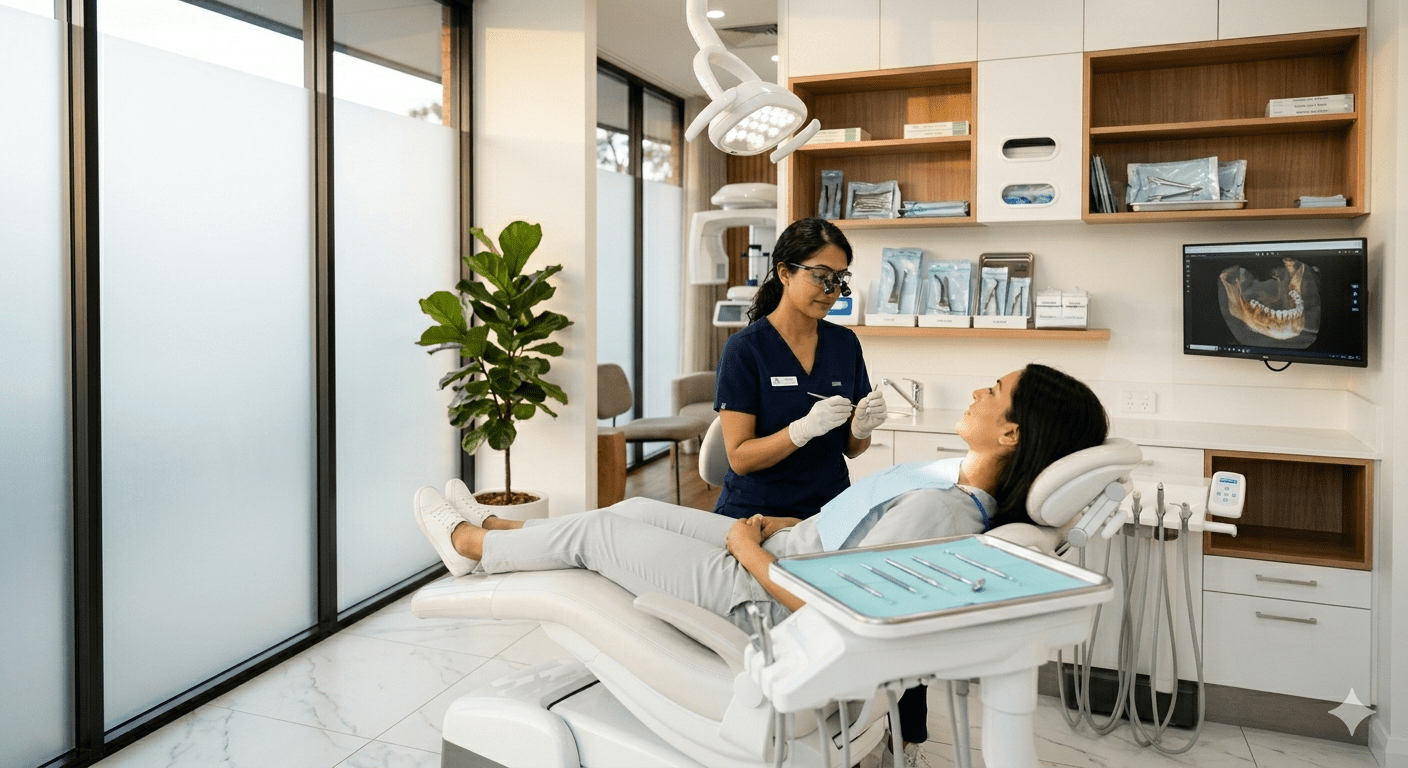
Dental implants in Stuart, FL, offer a reliable way to replace missing teeth and restore a natural smile. They act as a stable foundation for permanent or removable replacement teeth that look, feel, and function like natural teeth. This makes them a popular choice for patients seeking long-lasting dental solutions.
Many people worry about discomfort or complicated procedures, but modern dental implants focus on patient comfort and quick recovery. In Stuart, skilled dentists use advanced technology to make the process smooth and predictable.
If someone is curious about whether dental implants are right for them, exploring local options can be a helpful next step. Understanding the benefits and what to expect encourages confident decisions about dental health and smile restoration.
What Are Dental Implants?
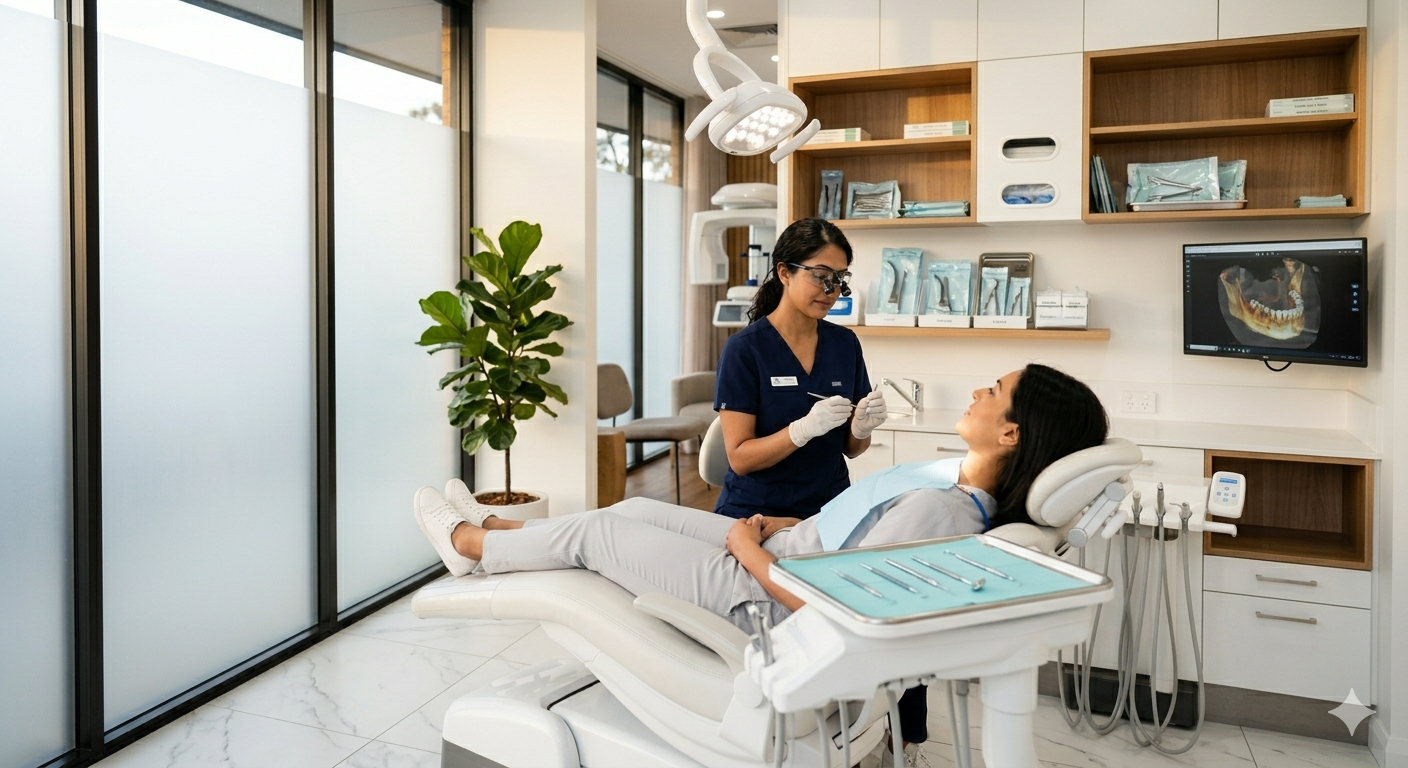
Dental implants are small, sturdy posts made of titanium or other biocompatible materials. They act as artificial tooth roots, placed securely into the jawbone. This creates a stable foundation for replacement teeth like crowns, bridges, or dentures.
The implant integrates with the bone through a process called osseointegration. This connection helps prevent bone loss and keeps the jaw strong over time. Unlike dentures that can slip or cause discomfort, implants feel more natural and function like real teeth.
Here’s a simple breakdown of a dental implant:
| Part | Description |
|---|---|
| Implant | Metal post inserted into the bone |
| Abutment | Connector that holds the crown |
| Crown | The visible, tooth-like cap |
Because implants replace both the root and the tooth, they offer lasting durability and improved chewing ability. Many patients find that implants help them speak more clearly and smile confidently.
Dental implants are a modern solution suited for people missing one or more teeth. They require good oral and overall health, so a consultation helps determine if implants are the right choice.
If you’re curious about dental implants in Stuart, FL, it’s a great idea to ask a local dentist. They can explain what to expect and guide you through the comfortable, step-by-step process.
Why Choose Dental Implants in Stuart, FL?
Dental implants in Stuart, FL offer reliable solutions backed by skilled professionals, the latest dental technology, and a patient-focused approach. These factors work together to provide comfortable, lasting results tailored to each individual’s needs.
Local Expertise and Personalized Care
Dentists in Stuart bring years of experience specifically with dental implants, understanding local patients’ concerns and lifestyles. Many practices prioritize one-on-one consultations, allowing doctors to build treatment plans that fit individual health profiles and goals.
Personalized care means addressing anxiety, explaining each step clearly, and scheduling follow-ups to monitor healing closely. This approach helps patients feel confident and supported throughout the implant process. Patients benefit from tailored advice on oral hygiene and maintenance after the procedure.
Advanced Technology in Stuart
Dental offices in Stuart use cutting-edge technology like 3D imaging and digital impressions to improve implant accuracy. These tools allow dentists to plan implant placement with precision, minimizing discomfort and speeding recovery.
Technology also plays a role during surgery, with computer-guided implant placement reducing risks. Postoperative care includes monitoring with digital scans, which detect any issues early. This modern approach helps ensure implants fit well and last longer.
Community-Focused Dental Practices
Many dental clinics in Stuart emphasize building long-term relationships within the community. They offer flexible scheduling and often participate in local health initiatives, making dental care more accessible.
Community-focused practices foster a welcoming environment where patients feel valued and heard. They often include educational programs to help residents understand dental health. This connection encourages ongoing care and promotes overall oral wellness.
Who Is a Good Candidate for Dental Implants?
Knowing who qualifies for dental implants helps set clear expectations. Ideal candidates typically have a combination of healthy oral conditions, stable lifestyle habits, and adequate bone structure to support the implant securely.
Oral Health Considerations
Good candidates must have healthy gums free from active infections like gum disease. Untreated periodontal issues can compromise the implant’s success, so these need addressing before implant placement.
Healthy teeth and gums create a stable environment for implants. Patients with untreated cavities or ongoing oral infections may need treatment first. Consistent oral hygiene habits also play a vital role in maintaining implant health over time.
The presence of chronic inflammation or damaged tissue can affect healing. Dentists often recommend professional cleanings and evaluations to ensure the mouth is ready for the procedure.
Lifestyle and Medical Factors
Certain lifestyle choices impact dental implant candidacy. Smoking, for example, can reduce healing capacity and increase the risk of implant failure. Candidates who quit smoking before and after surgery fare better.
Medical conditions like diabetes should be well-managed before getting implants. Uncontrolled diabetes can slow healing and increase infection risk. Patients should discuss their full medical history with their dentist.
Medications affecting bone healing or immune response may influence implant success. A thorough review ensures any risks are identified and managed to support recovery.
Evaluating Bone Health
Sufficient jawbone density and volume are crucial for implant stability. Without enough bone, implants can loosen or fail. Dentists use imaging tools like X-rays or 3D scans to assess bone quality.
If bone loss has occurred, options like bone grafting can rebuild the area. This process takes extra time but improves the chances of a successful implant.
A healthy jawbone also helps distribute chewing pressure evenly over the implant. This prevents long-term damage to surrounding teeth and bone.
Dental Implant Procedure: Step-by-Step Overview
Dental implants follow a carefully planned sequence to ensure effective results and patient comfort. Each phase builds on the previous one, from initial evaluation to the final placement of the artificial tooth. Understanding these key steps can make the process feel more approachable and clear.
Initial Consultation and Planning
During the first visit, the dentist evaluates the patient’s oral health and discusses goals. They take detailed X-rays or 3D scans to examine bone density and identify the best implant site. This imaging helps determine if a bone graft is necessary.
A personalized treatment plan is created based on these findings. The plan covers timelines, costs, and the types of implants suitable for the patient. The dentist also addresses any concerns about anesthesia or recovery, creating a comfortable environment from the start.
Implant Placement Surgery
Implant surgery is usually performed under local anesthesia to minimize discomfort. The dentist carefully drills into the jawbone to place a titanium post, which acts as the implant’s root. This step requires precise skill to avoid nerves and sinus cavities.
Once implanted, the area is sutured and allowed to heal. Patients receive instructions on managing swelling and pain, often including over-the-counter medications. The procedure typically takes 1-2 hours, depending on the number of implants.
Healing and Recovery Process
Osseointegration, where bone fuses to the implant, is critical during healing. This phase usually lasts 3 to 6 months. Patients must maintain good oral hygiene and follow dietary recommendations to support healing.
Regular follow-up visits allow the dentist to monitor progress and address any issues. Most patients experience mild swelling or discomfort, which subsides within days. Rest and avoiding hard foods are key in this stage.
Final Restoration and Smile Reveal
Once the implant is secure, the dentist attaches an abutment, connecting the implant to the crown. Impressions are taken to create a custom crown that matches the patient’s natural teeth in color and shape.
The crown is then permanently fixed, completing the restoration. Patients leave with a durable, natural-looking tooth that functions like the original. The dentist provides care tips to ensure long-lasting results and schedules routine checkups to maintain oral health.
Benefits of Choosing Dental Implants
Dental implants offer several advantages that make them a preferred option for tooth replacement. They combine both function and appearance, promote lasting oral health, and protect the structure of the jawbone over time.
Natural Look and Feel
Dental implants are designed to blend seamlessly with the natural teeth. The implant crown is custom-made to match the color, shape, and size of existing teeth. This makes them difficult to distinguish from real teeth.
Because implants are anchored directly into the jawbone, they provide stability similar to natural roots. This means patients can eat, speak, and smile confidently without worrying about slipping or discomfort. The firm support also helps preserve the patient’s bite and prevents shifting of surrounding teeth.
Long-Term Durability
Implants are made from strong materials like titanium, which is well tolerated by the body and resists corrosion. With proper care, dental implants can last 20 years or longer, often outlasting other tooth replacement options like dentures or bridges.
This durability reduces the need for frequent replacements or costly repairs. Regular dental check-ups and good oral hygiene are essential to maintain implants and keep them functioning well over time.
Preserving Jawbone Health
When a tooth is lost, the jawbone can start to shrink due to lack of stimulation. Implants act like natural tooth roots by transmitting chewing forces to the bone. This stimulation helps maintain bone density and prevents the sunken appearance that sometimes follows tooth loss.
By preserving the jawbone, implants support facial structure and reduce changes in the patient’s profile. This benefit helps patients avoid additional procedures like bone grafts and maintain long-term oral health.
Comparing Dental Implants to Other Tooth Replacement Options
When choosing a tooth replacement, understanding the differences in durability, comfort, and maintenance can help make the best decision. Cost and long-term results also vary among options, influencing patient satisfaction and dental health.
Dental Implants vs. Dentures
Dental implants are anchored directly into the jawbone, offering a stable, permanent solution. This anchoring prevents the slipping and discomfort often associated with dentures.
Dentures rest on the gums and may require adhesives to stay in place. They can affect speech and eating, especially hard or sticky foods.
Implants promote jawbone health by stimulating bone growth, while dentures do not provide this benefit, which can lead to bone loss over time. Cleaning implants is similar to natural teeth, whereas dentures need to be removed and soaked daily.
Dental Implants vs. Bridges
Bridges use adjacent teeth for support, requiring the healthy teeth to be filed down. This can weaken those teeth and lead to further dental work later.
Implants stand on their own without affecting neighboring teeth. They also last longer—typically decades—compared to bridges, which usually need replacement every 7-15 years.
While bridges are generally less expensive upfront, implants often prove more cost-effective over time due to their durability. Care for both requires good oral hygiene, but implants are easier to maintain and less prone to decay or gum disease affecting them directly.
Caring for Your Dental Implants
Proper maintenance is key to keeping dental implants healthy and lasting many years. This includes daily cleaning routines, regularly scheduled checkups, and avoiding habits or foods that can cause problems.
Daily Oral Hygiene Tips
Dental implants need the same careful cleaning as natural teeth. Brushing twice a day with a soft-bristle toothbrush and non-abrasive toothpaste helps remove plaque without damaging the implant surface. Flossing daily is just as important—using floss designed for implants or an interdental brush can clean hard-to-reach areas around the implant.
Rinsing with an antimicrobial mouthwash can reduce bacteria and promote gum health. Avoid using strong or abrasive products that might irritate the gums or wear the implant’s protective layer. Drinking plenty of water throughout the day also helps keep the mouth clean and fresh.
Recommended Follow-Up Visits
Regular dental visits are essential to monitor the health of dental implants. Most dentists recommend checkups every 6 months or as advised based on individual needs. During these visits, the dentist will examine the implant, surrounding gums, and bone structure to detect any early signs of problems.
Professional cleanings remove buildup that daily brushing might miss. X-rays may be taken to ensure the implant is stable and properly integrated with the bone. These visits allow for timely intervention if any issues arise and reinforce personalized care advice.
Avoiding Common Issues
Certain habits and foods can jeopardize the health of dental implants. Avoid chewing very hard items like ice, nuts, or hard candy, which can damage the implant crown or surrounding teeth. Smoking is a major risk factor; it slows healing and can cause implant failure.
Clenching or grinding teeth (bruxism) exerts extra pressure that may loosen the implant over time. Discuss with your dentist if you suspect these habits, as special mouthguards can protect implants. Maintaining a balanced diet with plenty of vitamins supports overall oral health and helps your implants stay strong.
Cost and Financing for Dental Implants in Stuart, FL
Dental implant costs in Stuart, FL vary based on several important factors, including the type of implant, additional procedures, and the provider’s experience. Financing options and insurance coverage can help manage expenses and make treatment more accessible. Understanding these details can guide patients toward affordable care without compromising quality.
Understanding Pricing Factors
The price of dental implants in Stuart depends on the number of implants needed, the type of restoration, and whether additional treatments like bone grafts or sinus lifts are required. A single implant with a crown often ranges between $3,000 and $5,000.
Location and the dentist’s qualifications also impact cost. More experienced providers may charge higher fees but offer advanced technology or sedation options, enhancing comfort and outcomes. Patients should get a detailed treatment plan to understand what’s included and avoid unexpected expenses.
Insurance and Payment Plans
Dental insurance generally covers only part of the implant procedure, if at all. Some plans may pay for the crown or initial consultation but exclude implants themselves, categorizing them as elective.
Many dental offices in Stuart offer flexible payment plans, often with no interest if payments are made within a set period. These plans can spread costs over several months, easing financial pressure. CareCredit and similar medical credit cards are also popular options, providing manageable monthly payments tailored to the patient’s budget.
Making Dental Implants Affordable
Patients can actively reduce costs by getting multiple quotes from local providers in Stuart, FL. Some offices offer discounts for paying in full upfront or during special promotions.
Tracking out-of-pocket expenses, including consultation fees and follow-up visits, helps avoid surprises. Combining financing with insurance benefits, when available, makes implants more affordable. Scheduling a consultation to review these financial details allows patients to make informed decisions and find a plan that fits their needs.
Patient Experiences with Dental Implants in Stuart
Patients in Stuart often share positive stories about their dental implant journeys. Many appreciate how the procedure restored their ability to eat comfortably and speak clearly again. For some, dental implants have been life-changing, giving back confidence they thought was lost.
Commonly mentioned benefits include short recovery times and a surprisingly quick adjustment period. Patients note that local dentists use modern techniques, which help minimize discomfort during and after the procedure. Many report feeling well-supported through regular check-ups and personalized care.
Here’s a quick overview of common patient feedback:
| Experience Aspect | Patient Notes |
|---|---|
| Comfort | Most felt little pain after initial healing |
| Appearance | Implants closely matched natural teeth |
| Functionality | Easier to chew and speak than with dentures |
| Staff Interaction | Friendly, knowledgeable, and reassuring |
Some patients initially worry about the cost or the time needed for full treatment. However, they often find that clear communication and flexible payment options ease these concerns. Regular follow-ups help maintain implant health, making the investment worthwhile.
If you or someone you know is considering dental implants in Stuart, talking to a local specialist can clarify any questions. It’s a good step toward better dental health and a brighter smile.
Next Steps: Schedule Your Dental Implant Consultation
Choosing to move forward with dental implants is an important decision, and the first step is scheduling a consultation with a trusted dentist in Stuart, FL. During this visit, the dental expert will review your medical history, examine your oral health, and discuss your specific goals for treatment.
The consultation usually includes:
| What to Expect | Why It Matters |
|---|---|
| Oral exam and imaging (X-rays) | Determines bone health and implant placement |
| Discussion of treatment options | Matches the procedure to your lifestyle needs |
| Cost estimate and financing info | Helps plan for your investment in a healthy smile |
Patients often find it helpful to prepare questions ahead of time to discuss concerns about comfort, healing time, or alternative treatments. The dental team will also explain how modern implant techniques prioritize patient comfort and successful outcomes.
Once the consultation confirms candidacy for implants, the dentist will outline a personalized treatment plan. This plan includes steps like implant placement, healing periods, and final restoration, helping patients understand what to expect at each phase.
Encouraging open communication with the dental office is key. They can guide patients through scheduling, payment options, and any pre-appointment instructions.
Taking this first step means moving closer to a restored smile and improved oral health. Anyone considering dental implants in Stuart can reach out today to arrange their consultation and start the journey with confidence.
Frequently Asked Questions
Understanding dental implants involves knowing who they suit, the timeline for treatment, comfort during procedures, and how they compare with other tooth replacement options. It also helps to learn about how implants can affect bite issues and considerations for those with specific health conditions.
Am I a good candidate for dental implants, and what factors could prevent me from getting one?
Candidates generally need healthy gums and enough jawbone to support the implant. Poor bone density, uncontrolled diabetes, or heavy smoking can make implants less successful.
Dentists also assess overall health and oral hygiene habits. Sometimes, preliminary treatments are needed to improve candidacy.
How long does the dental implant process usually take from start to finish?
The process often spans 3 to 6 months. This includes placing the implant, healing time for bone integration, and attaching the crown.
Complex cases or additional procedures like bone grafts may extend the timeline.
Does getting a dental implant hurt, and what comfort or sedation options are available?
Most patients feel minimal pain during and after the procedure. Local anesthesia and sedation options, like nitrous oxide or oral sedatives, help keep patients comfortable.
Post-op discomfort is usually mild and manageable with over-the-counter pain relief.
What’s the difference between a dental implant, a bridge, and a denture, and how do I choose?
Dental implants are permanent fixtures inserted into the jawbone. Bridges use adjacent teeth for support, and dentures are removable prosthetics.
Implants offer stability and bone preservation, while bridges and dentures may be less invasive but often require more maintenance.
Can dental implants help with bite problems or shifting teeth after tooth loss?
Yes, implants act like natural tooth roots and help maintain the proper alignment of surrounding teeth. This prevents shifting and bite issues caused by gaps.
They provide steady support that stabilizes the bite over time.
If I have an autoimmune condition, can I still safely get dental implants?
People with autoimmune diseases require careful evaluation because healing may be slower. With proper medical management and consultation, many can still receive implants safely.
Open communication between the patient’s dentist and physician is essential for the best outcome.